

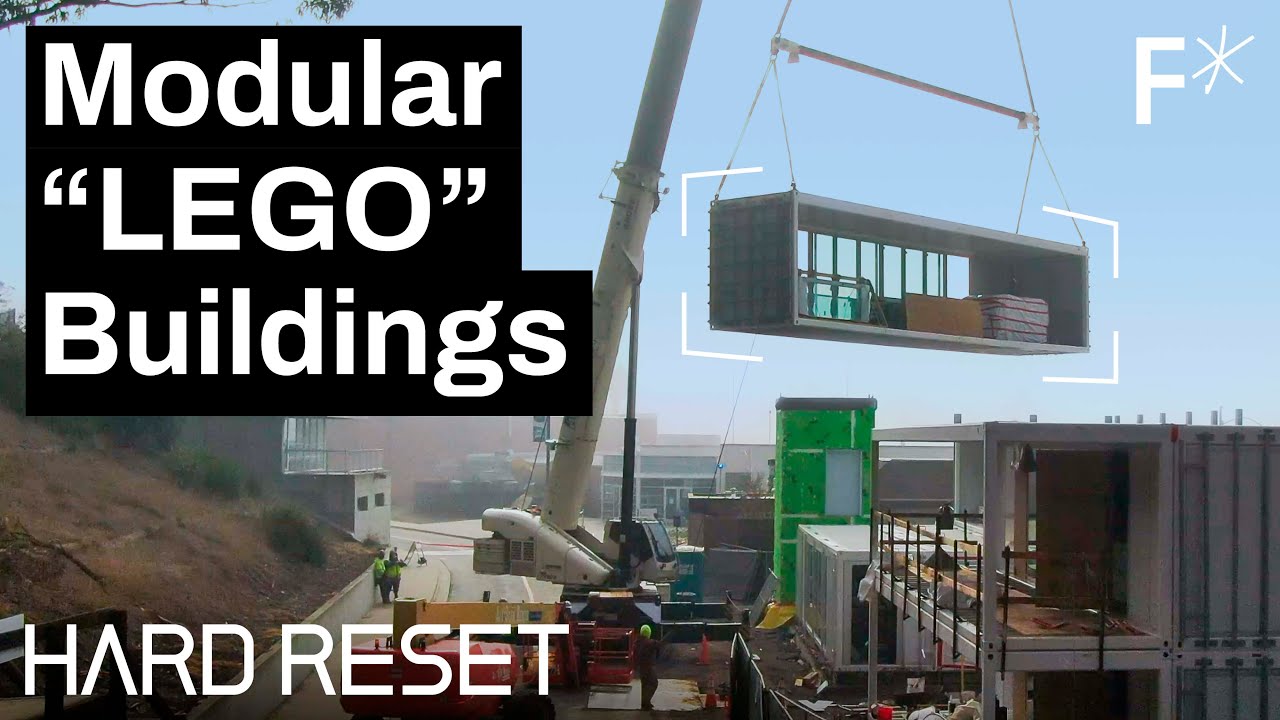
Modular construction is the building method of the future due to its numerous advantages, such as cost savings, speed, and sustainability. This innovative method involves constructing a building using pre-built modules that are assembled on-site, resulting in a shorter construction timeline and reduced material waste.
Moreover, modular construction allows for excellent customization options and flexibility, making it a popular choice for both residential and commercial projects. In addition, this method is highly sustainable, as it reduces construction waste and minimizes the environmental impact of projects.
As more people become aware of these benefits, modular construction is primed to become the go-to building method for the future.
Shorter Build Times
Modular construction is the future of building, as it offers several advantages over traditional construction methods. One major benefit is shorter build times due to the prefabrication of building components. This means less time spent on site and a quicker completion time for projects, resulting in cost savings for both builders and clients. Additionally, the simplified site work required for modular construction reduces the amount of waste and disturbance during the building process. Modular construction also allows for improved quality control, as each section is built in a controlled environment and inspected before being transported to the site. These benefits, combined with the increasing demand for sustainable and eco-friendly building options, make modular construction a bright and promising future for the construction industry.
Lower Costs
Modular construction is becoming the building method of the future as it significantly reduces building costs. Due to the reduced labor requirements, modular construction offers substantial cost savings over traditional construction methods. Plus, economies of scale often come into play with modular construction, meaning that the larger the project, the bigger the savings.
| Benefits of Modular Construction for Lower Costs: |
|---|
| Reduced Labor |
| Economies of Scale |
Sustainability
Modular construction is the building method of the future due to its numerous sustainable benefits. One of the most significant advantages of modular construction is reduced waste. Modular construction greatly reduces waste when compared to traditional construction methods. Materials can be precisely measured and cut off-site, which significantly reduces the amount of material waste generated during construction. Additionally, modular construction offers superior energy efficiency, as modules are designed for thermal insulation, giving them an advantage over traditional builds. The controlled construction process also ensures that all components are properly sealed, improving the overall energy efficiency of the structure.
Improved Quality
The modular construction method improves quality because of factory control and stricter standards. Building construction is a complex process that requires precision and accuracy. With modular construction, the process is streamlined as building components are manufactured in a factory-controlled environment where they undergo quality control inspections. Afterwards, the materials are transported to the construction site for installation. This reduces the risk of human error and minimizes waste. The factory control allows for customization and scalability while maintaining the highest standards.
Enhanced Flexibility
Modular construction has brought significant changes in the construction industry. Its enhanced flexibility has made it the preferred building method of the future. Adaptable designs are one of the main reasons why modular construction is gaining popularity. They allow builders to create custom designs that can fit various sites. Easy expansion is also a crucial advantage of modular construction. Builders can add and remove entire modules with ease, saving time and resources. Moreover, modular construction is a cost-effective and eco-friendly option as it reduces waste and promotes sustainability. Additionally, modular buildings can be relocated, making them ideal for projects such as emergency shelters and disaster relief. With all its benefits, modular construction is undeniably the building method of the future.
Safer Work Environment
Modular construction provides a safer work environment for on-site workers due to reduced on-site risks. The off-site construction of modules ensures that the work is carried out in a controlled and safe environment. It eliminates any hazardous work on-site, such as working at heights or in inclement weather conditions. The factory setting allows for proper ventilation, lighting, and temperature control, which ensures that workers are comfortable and safe while working.
Moreover, modular construction buildings are designed and engineered to meet high safety standards. The modular units are tested before installation for structural integrity and safety compliance. The standardized design of the units ensures that building codes and safety requirements are met before they even arrive on the site. This eliminates the need for any additional work on-site that could potentially be dangerous.
| Benefits | Explanation |
|---|---|
| Reduced On-Site Risks | Work in a controlled environment with no hazardous work on-site |
| Improved Worker Safety | Modular units designed and engineered to meet high safety standards |
Growing Popularity
Modular construction is rapidly gaining traction as a building method of the future. A key factor contributing to its growing popularity is its increasing adoption across all segments of the construction industry.
Construction companies and developers recognize the benefits of modular construction, such as reduced costs, shorter project timelines, and improved sustainability. Additionally, industry organizations and associations have been actively promoting and supporting modular construction as a viable and innovative building method.
The future looks bright for modular construction as more and more stakeholders recognize its advantages and incorporate it into their projects. As a result, it is becoming increasingly clear that modular construction is a fundamentally different and more efficient way of building that is here to stay.
Future Of Construction
Modular construction is the future of the construction industry due to the technological advances and innovative materials used. With modern technology, modular construction is simpler, cost-effective, and eco-friendly. It is an efficient way of construction where building components are manufactured in a factory and assembled on site. 3D printing technology is used to create modules with precision, reducing waste and errors. Similarly, eco-friendly materials like recycled steel and plastic are used to reduce the carbon footprint. Modular buildings are flexible and can be easily disassembled and reused, creating a more sustainable construction process.
| Advantages | Disadvantages |
|---|---|
| Shorter Construction Time | Limited Customization Options |
| Cost-Effective | Transportation Costs |
| Environmentally Friendly | Regulatory Restrictions |
Modular construction is rapidly changing the construction industry and is likely to become the preferred method in the future.
Frequently Asked Questions On Why Modular Construction Is The Building Method Of The Future?
Why Modular Construction Is The Future?
Modular construction is the future because it offers various advantages such as saving money, reducing construction time, improving quality, sustainability, and versatility. Compared to traditional construction, modular construction practices are more efficient and safer. Highly controlled factory settings produce high-quality modules that are easy to transport and assemble on-site.
These factors are why many experts believe modular construction will dominate the construction industry in the coming years.
Why Is Modular Building Better?
Modular building is better due to its enhanced efficiency and sustainability, reduced construction time, and cost-effectiveness. It enables customization and flexibility for future modifications, with higher quality control and safety standards. It also reduces waste and provides faster occupancy, making it an ideal solution for various industries.
What Is The Main Advantage Of Using A Modular?
The main advantage of using a modular is its flexibility as it allows for easy modification, expansion, and relocation. Modules are pre-fabricated and built off-site, saving time and minimizing on-site disruptions. They promote sustainable construction and reduce waste while ensuring consistent quality.
What Is The Impact Of Modular Construction?
Modular construction has a positive impact on the construction industry by reducing construction time, improving quality, saving money and reducing waste. It allows for simultaneous site and factory work, making the process more efficient and less time-consuming. It also enables customization while maintaining standards, resulting in high-quality buildings.
Conclusion
Modular construction has proved its efficiency in delivering a building project with speed, accuracy and high quality. As opposed to traditional methods, it reduces the amount of waste and requires fewer workers. Furthermore, it offers greater flexibility in design, customization, portability, and sustainability.
With these benefits, builders and investors are embracing modular construction as an innovative and cost-effective way to keep up with the growing demand. The future of construction lies in modular building and its endless possibilities.